
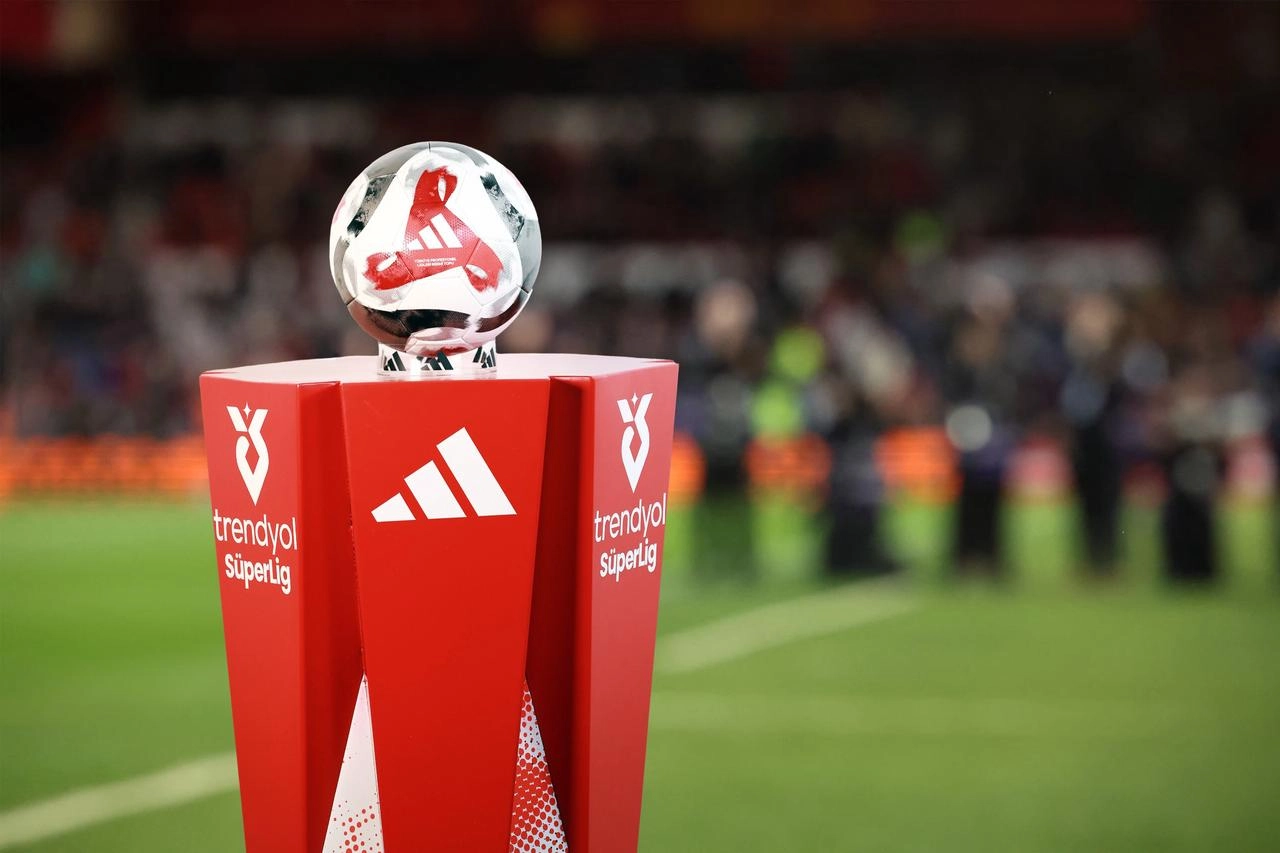
Turkey’s Ministry of Youth and Sports (GSB) will begin statutory audits of all Süper Lig clubs and their sports joint-stock companies on Monday, November 23, 2026. The inspections will cover financial and operational activity for the 2025-26 season, running from June 1, 2025 to May 31, 2026.
The ministry announced the programme on November 20, according to Anadolu Agency. Officials appointed through the GSB’s Guidance and Inspection Directorate will carry out the reviews under Law No. 7405, Turkey’s Sports Clubs and Sports Federations Law.
Earlier checks and ongoing second-tier audits
The new top-flight programme follows earlier Süper Lig inspections that examined club activity from 2022 to 2024 under the law’s transitional provisions.
Separate audits are also under way in Turkey’s second division. The ministry confirmed that inspectors are reviewing 13 sports clubs and sports joint-stock companies that competed in the 2024-25 TFF 1. Lig. Those inspections cover a longer period, from April 26, 2022, when Law No. 7405 took effect, to December 31, 2025.
What inspectors can examine
Article 13 of Law No. 7405 lets the ministry examine the financial and administrative transactions of sports clubs and sports joint-stock companies. Inspectors can check whether each organisation follows its legal purposes and governing documents, and whether its books and records meet legal requirements.
Clubs and their registered companies must provide any documents or information inspectors request. Officials can also ask banks and other third parties for relevant records, provided the request connects directly to the inspection and is proportionate.
Law No. 7405 also requires sports-related income and spending to be combined into consolidated accounts, including activity through subsidiaries. That allows inspectors to review financial dealings between a club and its registered sports company. If inspectors find conduct that may be a criminal offence, they must report it to the public prosecutor.
Also Read: Ebbsfleet United crowdfunding: Debt, accounts and embargo issues
Borrowing rules and personal liability
Under Article 20, a club or sports company’s borrowing in a budget year is normally capped at 10% of its gross income, meaning total income before expenses, from the previous year.
Borrowing above 10% is not automatically unlawful. An organisation can borrow more through an approved additional budget if it gets the required general assembly or shareholder approval. Extra borrowing under that route still cannot exceed 50% of the previous year’s gross income. A separate allowance also applies when an organisation ended the previous year with a surplus, where gross income exceeded spending.
Article 20 also restricts transfers of certain future income and receivables, which is money owed to the organisation. It limits financial arrangements that benefit board members and specified related parties, and sets rules on required payment channels.
Under Article 20(13), club presidents, board members and managers can be held jointly and severally liable for damage caused by breaching their duties through intent or negligence. In practice, they can be pursued together or individually for the full loss.
A stricter rule applies to breaches involving borrowing limits, future income transfers, related-party deals and payment channels. For those violations, intent or negligence does not have to be proved in the same way. Officials can avoid personal financial liability only by proving they took the necessary care to prevent the damage. Even under these provisions, club presidents and board members do not become automatic guarantors of every club debt.
Criminal penalties sit separately under Article 47. Officials who breach the rules on borrowing, future income transfers or related-party deals face one to three years in prison. Breaching the required payment-channel rules can carry judicial fines set by a court.
Timing ahead of the broadcasting tender
The Süper Lig inspections start one week before the Turkish Football Federation’s (TFF) deadline for its next five-year broadcasting rights tender covering the Süper Lig and TFF 1. Lig. According to the TFF’s official tender announcement, bidders must submit offers on November 30, 2026, between 14:00 and 14:10 local time. The contract covers five seasons from 2027-28 and includes packages for domestic coverage, international rights, radio and extended highlights.
Under Article 19 of Law No. 7405, broadcasting revenue counts as an official income source. Because the law also restricts transfers of certain future income and receivables, how clubs manage commercial revenue is directly relevant to their accounts.
Also Read: Granada CF and Gino Pozzo await verdict after Caso Líbero trial
The close timing does not mean the two processes are linked. The ministry’s statutory inspections and the TFF’s commercial tender operate separately, and there is no indication that audit findings will determine the winning bidder. Still, the reviews will examine how top-flight clubs managed their finances in the 2025-26 season before the next broadcasting agreement begins. No club-specific findings have been announced.