
Vitória SC‘s focus moved quickly back to the boardroom after a 2-0 defeat to local rivals SC Braga in the Taça de Portugal on Saturday, 21 November. Away from the pitch, the Portuguese club is preparing for an important vote on the future of its football company.
Vitória SC SAD has called an extraordinary shareholders’ meeting for 23 December. Investors will vote on a proposed €3.8 million capital increase that would lift the company’s share capital from €4.5 million to €8.3 million.
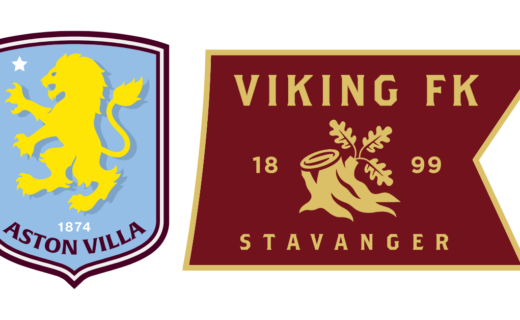
At the centre of the plan is V Sports, the investment company behind Aston Villa that is linked to Nassef Sawiris and Wesley Edens. The agreement brings fresh financial backing into a heavily indebted club while letting member-owned Vitória Sport Clube keep its majority stake. It also uses a blind trust to address UEFA’s rules on multi-club ownership.
How the €3.8m capital plan works
The €3.8 million package comes from two separate sources rather than one direct payment from V Sports.
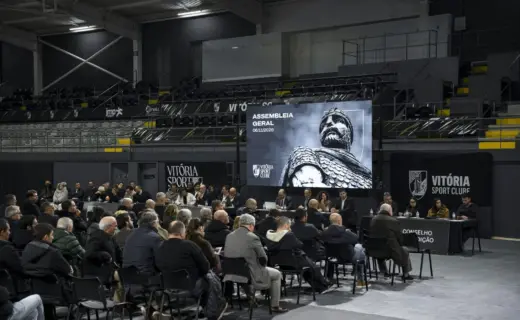
On 30 October, Vitória’s members voted 717 to 468 at an extraordinary general meeting to sell an additional 17% stake in the SAD back to V Sports for €2 million. Under the terms of the deal, the club cannot use that money for general spending. It must reinvest the full €2 million into the SAD’s capital increase. V Sports will then add a separate €1.8 million directly to the football company.
Both amounts are expected to be paid first as prestações acessórias, a form of extra shareholder contribution used under Portuguese company law, before being turned into shares. The shareholder meeting notice describes the main step as converting shareholder claims against the SAD into equity. Instead of leaving that funding on the books as money owed back to the owners, the company converts it into 760,000 new shares priced at €5 each.
That distinction is worth keeping clear. The €3.8 million figure is the amount being capitalised, while €8.3 million is the proposed final share capital after the main issue goes through. According to the club’s Fiscal Council, the €3.8 million is meant to help bring down the SAD’s debt.
Shareholders will also vote on a second, smaller share issue on 23 December. The SAD plans to offer up to 24,824 extra shares at €5 each, worth up to €124,120. This separate offer gives minority shareholders the chance to protect their current percentage stakes once the main issue is completed. If every available share is taken up, total share capital could reach €8,424,120.
Also Read: Why the rejected Vitoria SC audit leaves unanswered questions
Ownership balance, board control and Portuguese law
Before the proposed share issue, reported ownership figures give Vitória Sport Clube 50.84% of the SAD, V Sports 46% and the remaining minority shareholders 3.16% combined. Buying back the 17% stake returns V Sports to the 46% holding it originally agreed in 2023, while keeping the parent club above the 50% mark.
The new share split is built to hold that balance in place. Out of the 760,000 new shares in the main operation, Vitória would receive 400,000 and V Sports would receive 360,000. Because the club is putting in slightly more money, its majority survives the expansion of share capital.
Portuguese law does not normally require a founding club to own more than half of its football company. Under Article 11 of Law 39/2023, the founding club only needs to keep a direct stake of at least 5% in relevant cases. The legislation still protects core club rights. It gives the club a veto over merging, splitting or dissolving the SAD, moving its registered headquarters or altering club symbols, and it guarantees the right to appoint at least one member of the company’s governing and supervisory bodies.
Vitória’s 50.84% shareholding is therefore a negotiated safeguard rather than a legal rule. Even with that majority, the club cannot push through every big decision alone. Under the shareholder agreement outlined in the Fiscal Council’s assessment, Vitória appoints three of the five SAD directors, including the chair. However, major strategic choices require four votes out of five, meaning the club and V Sports must agree. Those matters include approving the annual budget, changing the club-SAD agreement and taking on certain loans or guarantees outside the approved budget. The deal also includes a planned review of the partnership every three years.
UEFA’s multi-club rules and the blind trust

Restoring V Sports to 46% creates a regulatory hurdle because the group also owns Aston Villa. Under Article 5 of UEFA’s 2026/27 competition regulations, no club, person or legal entity can hold prohibited control or decisive influence over more than one club playing in UEFA competitions.
UEFA’s test looks well beyond raw shareholding percentages. Regulators also examine voting rights, the power to appoint or remove a majority of a club’s board, shareholder voting agreements and any other route to decisive influence. The rules also stop individuals from working in the management, administration or sporting performance of more than one participating club.
In June 2023, V Sports cut its Vitória SAD stake from 46% to 29% and gave up its board seats to comply with those rules and keep Aston Villa and Vitória separate. The 2026 agreement takes a different path for the returning 17 percentage points. Those shares are meant to be placed in a blind trust run by an independent trustee, who would exercise the voting rights without taking instructions from V Sports. The goal is to separate the investor’s financial interest from direct influence over club decisions.
A blind trust is not an automatic pass under UEFA’s rules. European football’s governing body can look at the entire ownership and governance setup, including board seats, shareholder pacts and how decisions are made day to day. Compliance will depend on whether the trustee stays genuinely independent and whether the wider safeguards work in practice.
Vitória’s finances and the debt-restructuring test
The SAD’s latest published accounts show why extra capital is needed. For the 2025/26 season, the football company posted a net loss of about €11 million. Total liabilities rose to €85.3 million, and negative equity widened to €36.83 million.
The Fiscal Council’s review also shows how heavily the SAD leans on player sales. Without player rights transactions, EBITDA was negative by €17.21 million. Once player deals were included, EBITDA turned positive at €1.56 million. Selling players is a normal part of football business outside Europe’s richest leagues, but relying on transfer profits to cover everyday operating losses leaves little margin for error. A quiet transfer window or a season without European football can quickly squeeze the budget.
Vitória felt that drop directly in 2025/26. Operational income fell from €22.7 million to €15.1 million, driven largely by lower UEFA income. The club earned about €9.44 million from European competition in 2024/25 while playing in the Conference League. That fell to about €1.19 million the next season after Vitória missed out on Europe.
Against €85.3 million in liabilities, the proposed €3.8 million capital increase is only a partial step. It strengthens the balance sheet and helps with debt reduction, but it cannot fix the SAD’s finances by itself. For that reason, the agreement commits the parties to prepare a wider debt-restructuring plan within 60 working days.
That plan is expected to identify debts that can be replaced or renegotiated, line up new funding sources and set out repayment terms, costs and guarantees. The Fiscal Council has stressed that any guarantee putting the club’s majority stake or its own assets at risk should go back to members for approval.
Also Read: Turkey to begin financial audits of all Süper Lig clubs on Nov 23
What the December vote means next
Shareholders will decide on 23 December whether to approve both share issues and clear the way to convert the €3.8 million in claims into equity. If approved, the immediate accounting step will be straightforward, but the harder work will follow in the months ahead.
For V Sports, the agreement restores a larger economic interest in Vitória while putting more backing into the football company. For Vitória’s members, it brings in outside support without surrendering majority ownership.
Across European football, the deal will also be watched as a practical test of whether shared governance and an independent blind trust can satisfy UEFA’s multi-club rules while giving a heavily indebted club the breathing room to build a more stable financial model.