


Members of Vitoria SC voted on 6 November to approve the club association’s accounts for the 2025/26 season, while turning down a proposal for an independent financial audit of the separate company that runs the professional football team.
That decision at the general assembly came as the football company, Vitoria Sport Clube – Futebol, SAD, reported an €11.06 million net loss and negative equity of €36.83 million for the same season.
Around 150 members attended the meeting at the Pavilhao Unidade Vimaranense. A majority approved the association’s financial statements, but voters rejected a proposed review of the SAD’s finances covering four seasons from 1 July 2022 to 30 June 2026.
According to Dia de Jogo’s report on the assembly, the organisers behind the audit proposal asked to withdraw the item before the vote, though it stayed on the agenda. Because the association and the football company are separate legal entities, the accounts approved on the night do not give members a complete picture of the first team’s finances.
Two separate bodies with different financial positions
Vitoria Sport Clube is the member-owned association that runs club activities outside the professional men’s first team. Professional football sits inside the SAD, a commercial company that publishes its own separate financial statements. Although the association is a shareholder in the SAD, the two sets of accounts belong to distinct legal bodies and cannot be treated as one combined club balance sheet.
In 2025/26, the association recorded €5.5 million in revenue and €5.64 million in expenditure. It ended the year with a net loss of €1.53 million, its third straight season with a negative result. Its 15 sporting disciplines outside professional football ran an operating deficit of about €1.3 million.
Total liabilities at the association rose from €6.1 million to €9.2 million over the year. However, the club’s report tied €3.19 million of that increase to deferred tax linked to a revaluation of its football academy. That accounting change also lifted the association’s reported assets and equity, so the higher liability figure should not be read as if it were all new borrowing.
The financial strain at the SAD was much heavier. In 2025/26, the football company brought in €15.10 million in operating revenue while spending €33.10 million on operating costs, finishing the season with a net loss of €11.06 million. Its total liabilities reached €85.30 million against €48.47 million in assets, leaving negative equity of €36.83 million.
In simple terms, the company’s total debts and obligations exceeded the book value of everything it owned by €36.83 million. A sharp drop in revenue from UEFA competitions, which fell from €9.44 million in 2024/25 to €1.19 million while operating costs stayed broadly flat, drove much of the shortfall, as set out in Dia de Jogo’s report on the SAD’s 2025/26 results.
Even so, the association’s €1.53 million loss and the SAD’s €11.06 million loss should never be added together and presented as a single club loss. They belong to separate organisations with their own operations and balance sheets.
Also Read: Gateshead saved as Flacks Group clears debts and resolves dispute
What the four-year audit proposal wanted to examine
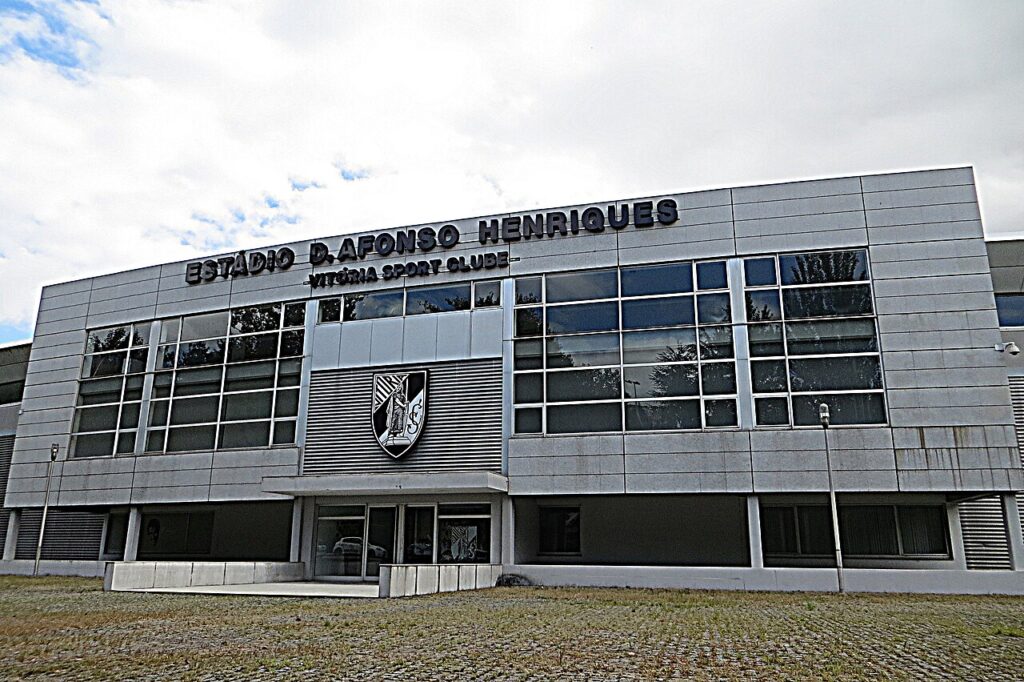
The push for an outside review came from Movimento VSC, led by Viriato Sampaio. The group asked club members to approve an independent audit of the SAD across four financial years, running from July 2022 to June 2026.
Their proposal went well beyond a routine check of the annual accounts. It sought to examine the SAD’s overall financial position, loans and financing costs, guarantees, financial dealings between the association and the SAD, related-party transactions, player transfers, and payments to intermediaries. It also allowed the independent auditor to use forensic procedures if they were technically justified.
In its original request, Movimento VSC stated that it was not alleging irregularities and had no intention of reaching conclusions in advance. Its stated goal was to give members an independent, documented record of the SAD’s financial standing and major transactions, as described in O MINHO’s report on the original proposal.
Cost was one practical factor on the table. Dia de Jogo reported that the club’s financial director estimated the proposed audit would cost between €115,000 and €120,000. Available press coverage does not establish why the organisers asked to withdraw the motion, what arguments members raised against the audit during the meeting, or the exact voting margin, and those missing details should not be guessed at.
Why a statutory audit is not the same as a targeted review
Voting down the proposal does not mean the SAD operates without outside financial oversight. Its published 2024/25 annual report includes a statutory audit carried out by Anjos & Associados SROC, which issued an unmodified opinion on the financial statements.
An unmodified opinion means the auditor concluded that the annual accounts gave a true and fair view in all material respects. At the same time, the auditor flagged a material uncertainty about the company’s ability to continue operating, often called a going-concern warning.
Looking at the balance sheet on 30 June 2025, the auditor pointed to negative equity of about €24 million, current liabilities that exceeded current assets by €35 million, overdue debts to creditors, and the company’s reliance on banks, other funders, and future cash from operations and player sales. The auditor noted that this warning did not modify or qualify its formal opinion on the accounts, which can be read in full in the SAD’s official 2024/25 annual report.
The difference between these two kinds of audits goes to the heart of the November vote. A statutory audit checks whether a company’s annual financial statements follow accounting rules and fairly reflect its year-end position. That is not the same thing as a separately commissioned review built to examine specific loans, agent fees, and inter-company dealings across four seasons.
While the statutory audit is an important safeguard, it does not answer every question that the proposed four-year review aimed to cover.
Figures in the 2024/25 accounts show why that broader scope mattered. At 30 June 2025, the SAD disclosed €34.58 million in financing. Its books also recorded €1.85 million owed to the SAD by the club association, up from about €697,000 a year earlier. These are openly disclosed accounting balances rather than proof of wrongdoing, but they show how the two entities are connected financially and why members may want clear explanations of their terms, purpose, and repayment.
Also Read: Como president admits player sales needed for sustainability
What the decision means for Vitoria SC’s members
Members at the assembly had to decide whether to spend a reported sum of up to €120,000 on an additional financial examination. Their rejection of the proposal may have reflected doubts about the cost, the four-year scope, the timing, or trust in the existing statutory oversight, though available reports do not establish the reasons. Without knowing what was said inside the hall, it would be unfair to claim that members simply voted against transparency.
The more useful questions now concern what happens next for the members who support Vitoria SC. Will the club publish a fuller explanation of the SAD’s financing, guarantees, and transactions with the association? Could it consider a narrower independent review? And how will ordinary members be kept informed about the football company’s debt and future funding needs?
The SAD’s €85.30 million in liabilities and €36.83 million in negative equity do not prove financial misconduct, nor do they by themselves mean that the company cannot continue operating. What they do show is why members have a legitimate interest in understanding how the professional football operation is funded and how its financial obligations are managed.
The 6 November vote left the SAD’s statutory reporting duties and regular audit arrangements untouched, but it closed off one proposed path for a wider four-year examination of the books. For Vitoria SC’s members, the central question now is whether the financial reports already on the record, together with any further disclosures from the club, will be enough to explain the finances of the company that runs their first team.