

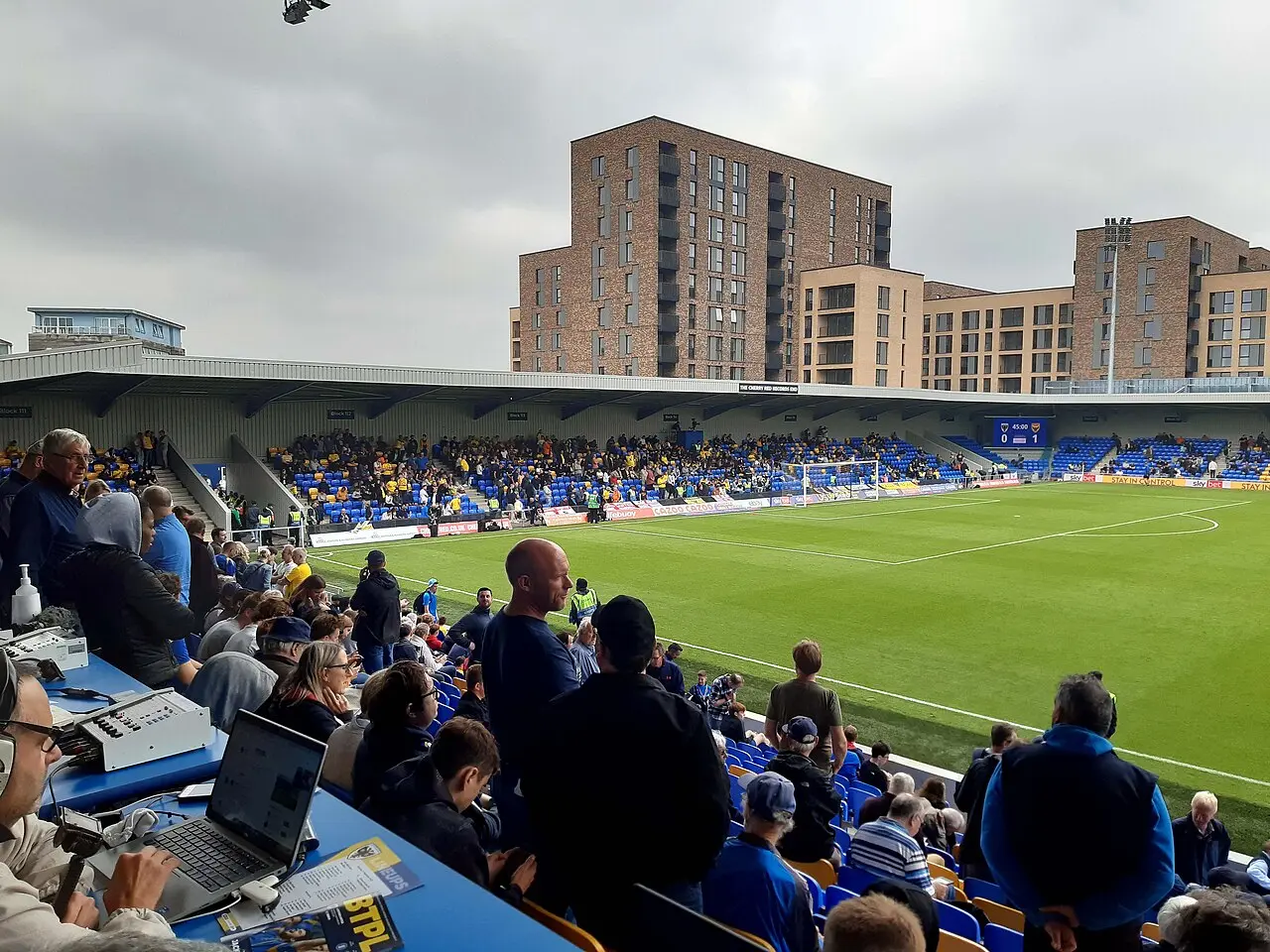
AFC Wimbledon will ask supporters next month to approve up to £3 million in unsecured borrowing as the League One club works to steady its finances after the collapse of a proposed £87m investment.
The vote will take place at the Dons Trust annual general meeting on Monday, December 14, at Cherry Red Records Stadium. Passing the resolution would give the board permission to arrange loans if needed, rather than committing the club to borrowing the full amount. While the Trust says it has received offers of unsecured loans, it has not named the lenders or disclosed the proposed interest rates and repayment terms.
Alongside the borrowing request, the Trust confirmed that AFC Wimbledon’s next set of accounts will include a material uncertainty related to going concern. That disclosure comes with a revised short-term cash forecast that is more positive than the warning issued to members in October, though the club has yet to publish the figures behind its updated outlook.
How the £3m borrowing proposal works
The Dons Trust board is asking members for flexibility rather than an instruction to take on £3m of debt right away. It has presented the facility as a short-term cash-flow option and says it does not expect to borrow the full sum automatically.
Crucially for supporters, the proposed loans would be unsecured. Neither Plough Lane nor any other asset owned by the club or the Trust would be put up as collateral, keeping the stadium separate from the borrowing.
Even so, significant details remain missing. The Trust has not identified the prospective lenders or published the proposed interest rates, repayment dates, covenants, or other loan conditions. It is also unclear from the available information how any new unsecured loans would rank alongside existing bondholders if the club ran into financial trouble.
Members will need those answers to judge whether the borrowing is a sensible safety net and what repayment obligations it could place on future seasons. Further information about the loan offers is expected in the AGM papers before the vote.
The board outlined its position in its November 13 update, and the financial terms were examined in The Pyramid’s report on the borrowing proposal and going-concern uncertainty.
What the going-concern disclosure means
The Dons Trust has confirmed that the next AFCW PLC accounts, covering the year ended June 27, 2026, will carry a material uncertainty related to going concern. Those accounts are due to be filed at Companies House by December 27.
When directors and accountants assess going concern, they look at whether a business has the money and realistic plans needed to keep trading and pay its bills. A material uncertainty means unresolved risks exist that could cast significant doubt on that ability, so the accounts must explain them clearly.

This disclosure is not a declaration of insolvency. It does not mean AFC Wimbledon is entering administration or is about to stop operating. It simply shows that the club’s financial position depends on future actions and events that are not yet settled.
The warning marks a shift from the previous financial year. The accounts for the year ended June 30, 2025, contained no going-concern uncertainty. Published analysis of those filed figures showed turnover of £10.2m, a loss of about £2.8m, and year-end cash of roughly £1.3m. Reported net debt stood at £6.7m, down from £8.5m a year earlier.
Those numbers describe the past rather than today’s bank balance, though they show a club recording losses and finishing the year with less cash despite higher revenue. They should also be kept separate from the £2.4m recurring operating funding gap disclosed in the Trust’s October member pack. One figure records a past accounting loss, while the £2.4m estimate reflects the annual shortfall built into the club’s current operating model.
Also Read: Swansea City’s new transfer model faces an early promotion test
Why the cash-flow outlook shifted between October and November
One of the sharpest changes in the Trust’s messaging involves its short-term cash forecast.
In a member information pack published on October 21, the board warned that the club’s professional viability could come under threat within four to six months without a new financial model. Three weeks later, in its November 13 update, the board struck a calmer tone. It said that having unsecured loan offers available, alongside careful cost control, should allow the club to manage its cash through the end of this season and into the next.
The difference appears to reflect two factors that were not part of the October warning, namely the new loan offers and tighter spending controls. However, the Trust has not published a breakdown showing how the numbers changed, how much of the £3m facility it expects to draw, or how much cash the club needs over the coming months. It has also not said publicly how long the improved position would hold if a new investor is not found.
Members must therefore read the November forecast alongside the upcoming going-concern disclosure. Access to unsecured credit offers short-term breathing room, but it does not remove the financial uncertainty flagged in the accounts.
Bond repayments add another layer of pressure
Together, AFC Wimbledon and the Dons Trust owe £7.5m to bondholders, with much of that borrowing tied to the construction of Plough Lane. Of the total debt, £3.1m falls due by June 30, 2027, covering redemptions scheduled for late 2026 and spring 2027.
Not all of that £3.1m will require a cash payout. The Trust expects between £1.6m and £1.7m to be repaid in cash, while the remainder depends on whether existing bondholders choose to roll over or refinance their holdings.
According to the November 13 update, just over £1m had been raised through Plough Lane Bonds toward those expected cash repayments. On those figures, roughly £600,000 to £700,000 remained to be covered at that point. That gap is an indicative estimate rather than a final shortfall, because new subscriptions and rollover decisions could change the cash required.
The Plough Lane Bond website is open to both new investors and existing holders looking to roll over bonds ahead of the upcoming redemptions. That fundraising is separate from the £3m unsecured borrowing vote. Bond subscriptions are aimed at settling existing bond debt, whereas the new loan authority is intended to support day-to-day cash flow. Neither measure closes the recurring operating funding gap on its own.
The borrowing proposal also raises an unresolved question for bondholders. Plough Lane Bonds are unsecured, and their published terms state that they rank behind senior commercial lenders. The board has not yet explained where any new unsecured loans would sit in relation to existing bonds.
The search for new investment remains open
The push for short-term borrowing follows the withdrawal of Sloane Street Capital from its proposed £87m investment in AFC Wimbledon. That package included a £16m share purchase and a £71m capital commitment over five seasons to fund football operations and infrastructure, while leaving the Dons Trust with at least 50.01% of voting control.
Sloane Street Capital stepped away after its investment priorities changed, leading the Trust to cancel the planned member vote and end the group’s exclusivity period.
The original group, made up of Ryan Bertrand, Stuart Fiertz, Oliver Ward, and Hugh Rosen, is continuing as Sloane Street Football and has told the Trust it is speaking to potential backers, including people who approached it earlier in the process.
Ending exclusivity also frees the Trust and the club to talk to other prospective investors, though no replacement offer has been publicly confirmed. Any future bid from Sloane Street Football would be treated as a fresh proposal, subject to due diligence, EFL and regulatory checks, and a member vote. Readers can find full background on the original deal and its collapse in Nutmeg Press’s earlier report, AFC Wimbledon lose £87m investment backing after late withdrawal.
Stadium restructuring will not bring in new cash
Alongside the investor search, the Dons Trust is continuing with plans to move The Wider Interests of Football Ltd, the company that owns the Plough Lane freehold, out from underneath AFCW PLC and into a new holding company alongside it.
The aim is to separate the stadium-owning company from the club’s trading risks and bond liabilities. Under the proposed structure, the ground would no longer sit beneath the PLC that carries the bond debt.

That separation has clear limits. Moving the stadium company does not bring in new operating income, repay bondholders, or remove the need for a sustainable financial plan. The restructuring also remains subject to legal, tax, and regulatory work, and the Trust has said it may not be finished before members vote on any future investment proposal.
Also Read: Portsmouth look to ward off rivals with new Terry Devlin contract
Short-term stability versus long-term sustainability
At the December 14 AGM, Dons Trust members will weigh whether giving the board authority to borrow up to £3m is a necessary precaution. Before voting, supporters will look for clear details on the proposed loan terms, how much money the club actually expects to borrow, what assumptions sit behind the November cash forecast, and how new lenders would rank against existing bondholders.
Even if members back the resolution and the Plough Lane Bond scheme covers its upcoming redemptions, those steps only address immediate cash pressures. Taking on new loans adds future repayment commitments, while cutting costs can only go so far without weakening the football operation.
Unsecured borrowing and tighter spending may carry AFC Wimbledon through this season and into the next while preserving its supporter-owned model. Lasting financial sustainability, however, still depends on closing the club’s annual operating gap, either by securing a new investor or by building a model where income matches spending.