
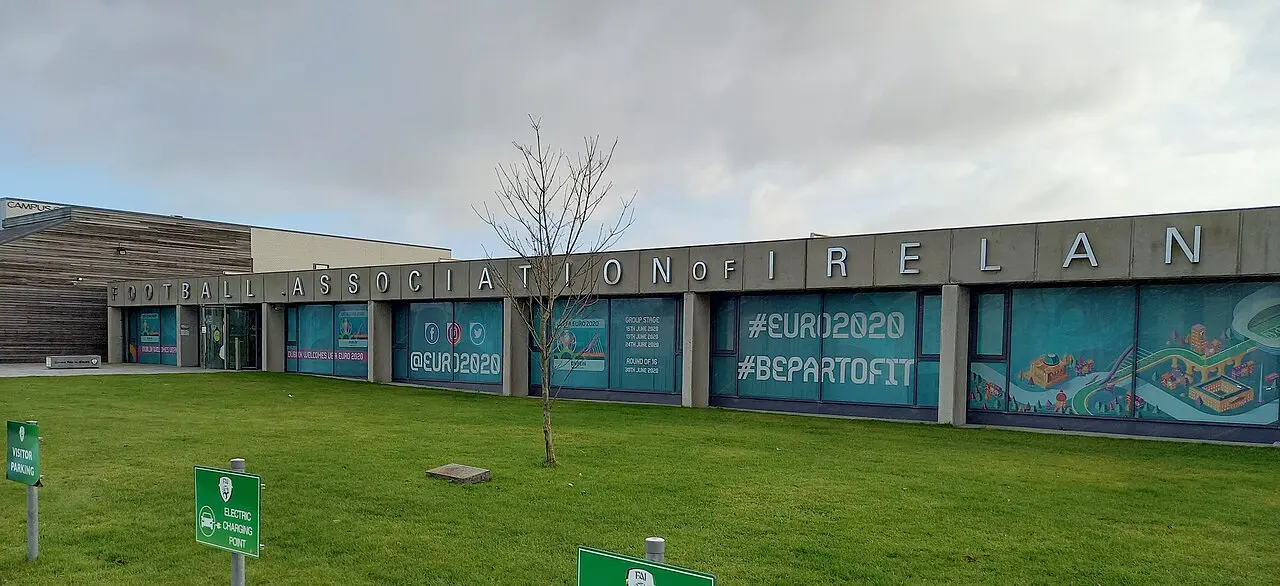
Sport Ireland has ordered a nationwide review of child-protection procedures across publicly funded sports organisations after record-keeping failures at the Football Association of Ireland led to around 6,000 people being stood down from football roles.
Dr Úna May, chief executive of Sport Ireland, confirmed the nationwide safeguarding review at an Oireachtas committee hearing on 11 November. Sport Ireland works with more than 60 national governing bodies and 29 Local Sports Partnerships, all of which have until Friday, 20 November to examine their safeguarding processes and report back.
The move extends the scrutiny beyond football and raises wider questions about how sporting bodies verify that child-protection rules are followed in practice.
At the centre of the FAI controversy are inconsistencies in FAI Connect, the system used to manage football registrations and related records. The association has not said that 6,000 people failed Garda vetting. Instead, the FAI could not reliably establish the vetting status of everyone whose registration was affected.
How the FAI Connect problems emerged
The issue first drew scrutiny at an Oireachtas hearing on 30 September, when committee members questioned FAI officials about whether coaches and referees working in football had completed mandatory Garda vetting and safeguarding checks.

Following that meeting, the FAI examined its records and found inconsistencies in FAI Connect. In a statement issued on 9 October, the association said it had started a comprehensive review of its safeguarding compliance records. It also reminded clubs, leagues and officials that anyone taking on a role involving children or vulnerable persons must complete vetting before starting those activities.
The FAI stressed that simply submitting a vetting application does not complete the process. Official confirmation must be received and the person’s status recorded on the system as “Passed“.
That internal review resulted in 12 League of Ireland referees being stood down on 9 October, and reporting from the 11 November committee hearing put the total number of deactivated registrations at around 6,000. The Irish Times reported that outdated registrations and duplicate profiles were among the problems identified by the association.
That distinction is important because a duplicate profile or an old registration is not proof that an individual failed vetting. Nor does the overall figure show how many of those affected were actively coaching children, refereeing matches or performing other roles that require clearance. The FAI has yet to publish a detailed breakdown of the people affected or the specific reasons their registrations were deactivated.
Also Read: AFC Wimbledon lose £87m investment backing after late withdrawal
Unanswered questions on child safety and vetting numbers
At the 11 November hearing, Fianna Fáil TD Peter ‘Chap’ Cleere asked whether Sport Ireland could confirm that no children had been placed in potentially unsafe situations because of the record-keeping inconsistencies.
May said Sport Ireland had asked the FAI for a clear answer only a few days earlier and was still waiting for a reply. She told the committee that Sport Ireland understood there had not been a problem, but the agency wanted the FAI to confirm whether any complaints or other concerns had been raised.
While the public evidence does not establish that any child was put at risk, Sport Ireland still had not received the categorical assurance it wanted at the time of the hearing.
The committee had also previously heard that the FAI received 61 safeguarding allegation reports in 2024, 94 in 2025 and 39 in 2026 up to the September hearing. Those figures represent reports received rather than findings of wrongdoing, and a full breakdown of referrals to Tusla or An Garda Síochána was not provided during that exchange.
Separate figures presented to the committee showed the scale of the wider vetting system. An Garda Síochána said it had processed 50,000 vetting applications for the FAI since 2023. That total counts applications processed rather than 50,000 separate individuals, and it does not prove that every person currently in a regulated role holds a completed clearance. Garda representatives also noted that while vetting is an important safeguard, it cannot address every safeguarding risk on its own.
What Sport Ireland is asking governing bodies to do
Under the review due by 20 November, national governing bodies receiving State funding must examine the processes, practices and checks they use to meet their legal child-protection duties under the National Vetting Bureau Acts 2012 to 2016 and the Children First Act 2015. Each organisation must also state whether it remains satisfied that the information in its latest safeguarding compliance submission to Sport Ireland was accurate.
The instruction is not a finding that other sports share the FAI’s record-keeping problems. Instead, Sport Ireland is asking each governing body to check that its procedures work in practice and that its earlier compliance declarations can be supported.
The controversy also prompted questions at the November hearing about Sport Ireland’s oversight powers. Although Sport Ireland is not a day-to-day regulator of the FAI, its funding conditions provide oversight tools that can be used if concerns remain unresolved or if an organisation fails to cooperate with an audit or investigation.
Senator Evanne Ní Chuilinn pointed to provisions in those funding arrangements that allow the agency to audit, inspect or investigate a governing body. May told the committee that Sport Ireland does not generally use its investigative powers unless a situation is extreme, prompting committee chairman Alan Kelly to question whether standing down thousands of people should meet that threshold.
Also Read: League One clubs discuss tighter spending rules as losses mount
FAI absence delays answers until winter
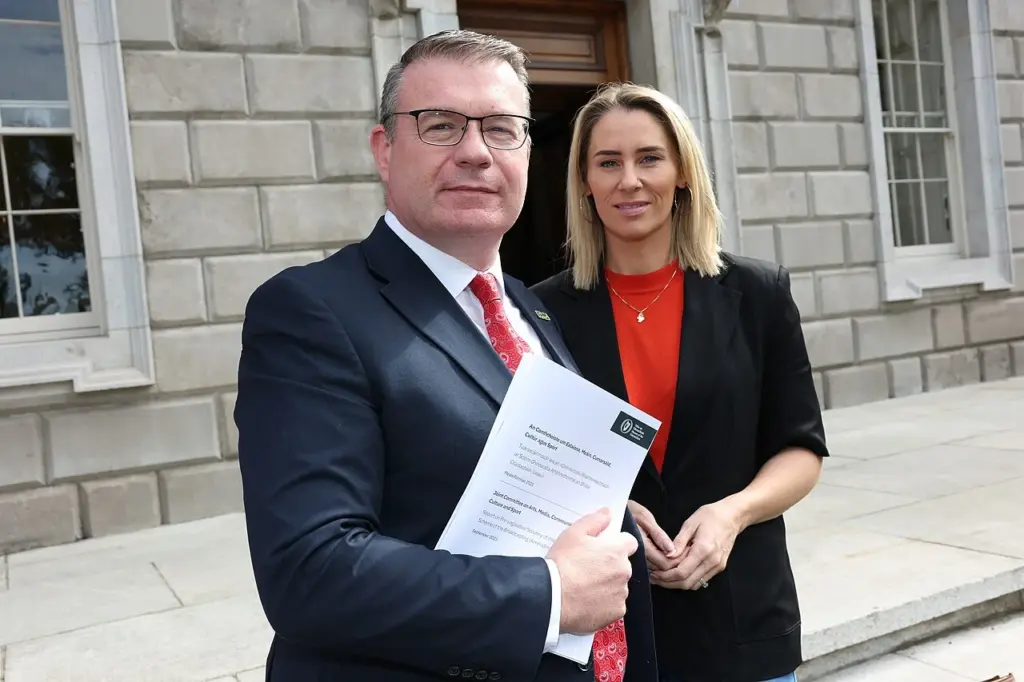
The FAI did not attend the 11 November hearing. The association told the Irish Examiner that it had accepted the committee’s invitation, but relevant personnel were unavailable on the initial dates proposed, so it offered alternative dates in December and January. Kelly criticised that explanation as “flimsy“, and other committee members said there were questions only the FAI could answer.
While publicly funded sports organisations prepare their responses for the 20 November deadline, the FAI will face further questioning when its officials return to the Oireachtas committee. Until the association provides a clear account of the affected records, confirms how many people have been cleared to return and delivers the safety assurance requested by Sport Ireland, the central questions surrounding its safeguarding checks remain unresolved.