


Burnley FC appears to have taken a major step toward repairing its balance sheet. In its annual report and financial statements for the year ended 31 July 2026, the club’s parent group reported that net debt fell by nearly £67m, dropping from £129.5m to £62.9m. Over the same twelve-month period, total borrowings and factored receivables decreased from £142.4m to £86.2m.
The accounts for Burnley FC Holdings Limited, which were filed with Companies House on 4 November 2026, also show a much smaller headline loss. Pre-tax losses narrowed from £29.162m in 2024/25 to £8.989m in 2025/26, with a post-tax loss of £8.995m (often rounded to £9m), as turnover reached a club-record £144.5m.
Beneath those headline numbers, the financial statements tell a more complicated story. Evaluating whether this major debt reduction has created a genuinely stronger financial position requires looking closely at how the improvement was achieved.
Following relegation back to the Championship, Burnley still faces £45.894m in loan facilities maturing in 2027, an appeal that could force the club to return a £38.842m compensation payout from Everton, rising short-term liabilities and continued dependence on financial support from its ownership group.
The £77.7m parent-company repayment and what the accounts leave out
The single largest factor behind the improved debt position was a huge reduction in the balance owed to the club by its immediate parent company, Velocity Capital (UK) Holdings. At the end of July 2025, Velocity owed Burnley FC Holdings £80.986m. By 31 July 2026, that inter-company balance had dropped by £77.708m to £3.278m.

That reduction matches the club’s official announcement of the 2025/26 accounts on 4 November 2026, which stated that the parent-company balance had fallen by £77.7m after new investment from the ownership group. In the cash-flow statement, Burnley recorded £92.708m in loan repayments from group companies alongside £15m in new loans advanced to group companies, resulting in the net cash inflow of £77.708m.
The accounts confirm that the remaining £3.278m is still owed by Velocity, and note that balances owed by group companies are interest-free and repayable on demand.
While the cash clearly reached Burnley FC Holdings and reduced the money owed by Velocity, the published financial statements do not show where the money originated or the full path it travelled through the wider corporate structure. There is no disclosure identifying which specific investors provided the capital, which legal entity received the funds first, or whether the new money entered the wider group as pure equity or as fresh borrowing higher up the ownership chain.
This missing context matters when judging the overall health of the club’s ownership structure. Paying down an inter-company loan strengthens the football group’s balance sheet, yet the public filings do not show whether the broader ownership group has genuinely lowered its total debt or simply shifted liabilities from one related company to another.
Separate questions have also surrounded Velocity’s own public filings. According to Companies House records for Velocity Capital (UK) Holdings, the parent company remains listed as active, even though its first set of accounts is still overdue. A compulsory strike-off action recorded against Velocity in November was discontinued on 4 November 2026, meaning the company is not facing an active strike-off proceeding. The overdue accounting return remains an issue of corporate transparency, though it does not alter the £77.708m repayment confirmed in Burnley’s audited figures.
Also Read: Why the rejected Vitoria SC audit leaves unanswered questions
Relegation and the £38.842m Everton compensation appeal
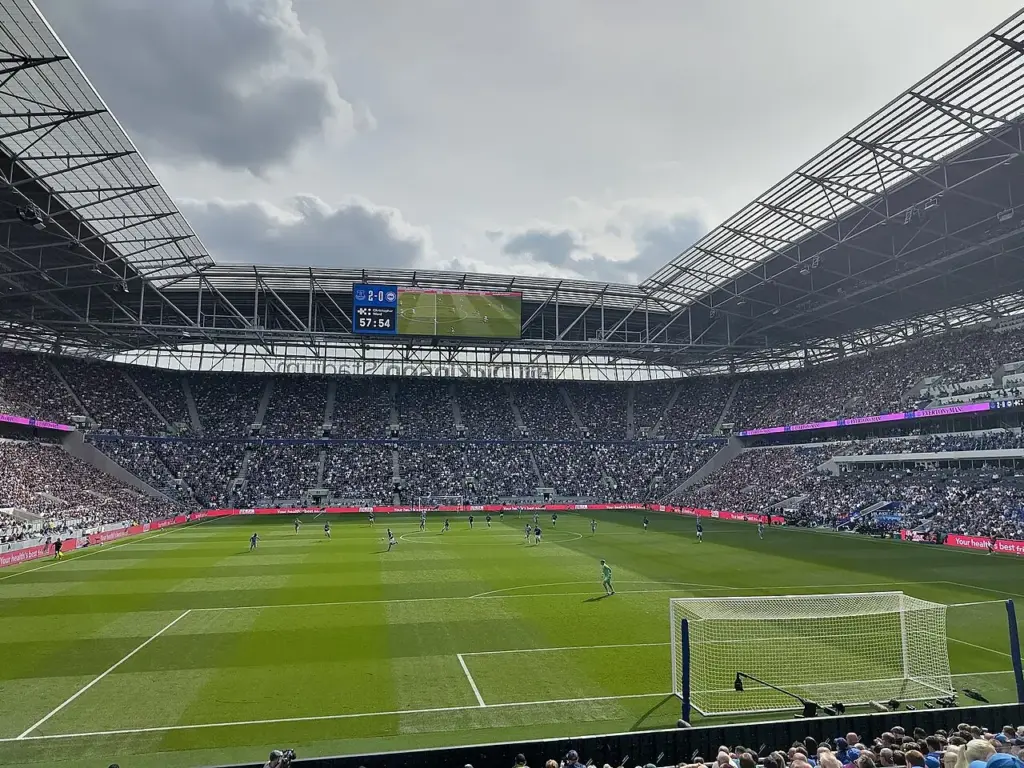
Burnley’s record £144.5m turnover in 2025/26 was more than double the £71.7m generated the year before. That surge was driven by the club’s return to the Premier League, which lifted television broadcasting revenue from £55.2m to £118.9m.
Playing in the top flight also pushed up operating costs. Staff wages rose from £82.3m to £123.1m. Although Burnley’s wage-to-turnover ratio improved from 114.65% to 85.20%, that drop occurred only because broadcast revenue grew so sharply, not because the club cut its wage bill.
Because the Clarets finished 19th in the Premier League and were relegated back to the Championship, they will not receive the same level of broadcasting income during the 2026/27 campaign.
Even with Premier League television money, Burnley’s pre-tax loss only fell to £8.989m because the club booked a £38.842m compensation award from its legal dispute with Everton. An independent commission awarded the sum after Burnley argued that Everton’s breach of the Premier League’s Profitability and Sustainability Rules in the 2021/22 season hurt the Clarets’ chances of staying up.
The commission granted £26m in damages, which Burnley recorded as other operating income, plus £12.842m in interest, which the club booked as interest income.
However, that windfall is not yet secure. Everton appealed the decision on 10 June 2026, arguing that the ruling was flawed in law and fact. The Merseyside club disputes the commission’s conclusion that its financial breach provided a sporting advantage that contributed to Burnley’s relegation. The appeal is expected to be heard in January 2027, according to BBC.
Burnley’s accounts acknowledge that the appeal could result in outcomes ranging from no repayment at all to returning the entire £38.842m. The directors chose not to include an accounting provision for a potential repayment, explaining that the outcome could not reasonably be determined or measured when the financial statements were prepared.
Removing the £38.842m award while keeping every other number in the accounts unchanged would turn Burnley’s £8.989m pre-tax loss into a pre-tax loss of roughly £47.8m. While that figure is a simplified counterfactual calculation rather than an alternative audited result, it illustrates how heavily the reported bottom line relied on the commission’s ruling. Because the £38.842m award is larger than Burnley FC Holdings’ total reported net assets, a successful appeal by Everton would create a major financial hurdle for the club.
Also Read: AFC Wimbledon lose £87m investment backing after late withdrawal
The £45.9m refinancing test and expensive borrowing
Alongside the legal uncertainty, Burnley must manage approaching deadlines on its external debt. Despite the drop in overall borrowing, the group has two loan facilities maturing in 2027. A balance of £24.285m falls due in January 2027, followed by another £21.609m due in August 2027, creating a combined refinancing requirement of £45.894m (or nearly £45.9m).
When Burnley’s directors signed off on the accounts on 2 November 2026, talks to refinance and increase these credit lines were still in progress and no formal agreements had been completed. The directors noted that if the existing facilities are not renewed, the group will have to raise alternative financing to pay off the balances.
The club is already paying a high price to service its debt. According to the accounts, Burnley’s bank loans carry fixed interest rates ranging from 7.25% to 12%, while factored transfer receivables carry an interest rate of 12.75%. Across the year ended 31 July 2026, the group recorded £23.244m in interest payable and similar expenses, a figure that also includes the accounting cost of discounting player-transfer creditor balances over time.
The January 2027 maturity represents the most immediate financial test. Securing a new deal would ease short-term pressure on the club, but the interest rates, security demands and repayment schedule of any replacement loans will be critical. Extending those debts on expensive or restrictive terms could lock Burnley into high financing costs rather than delivering lasting financial relief.
Working-capital pressure and BDO’s going-concern warning
A lower net debt figure does not automatically mean a football club has plenty of spare cash to pay its bills over the next twelve months. In Burnley’s case, short-term working-capital pressure actually increased during the year. Net current liabilities rose from £83.701m to £107.892m as of 31 July 2026, with £92.552m in current assets outweighed by £200.444m in current liabilities.
These current liabilities should not be confused with traditional bank loans. In football accounting, current liabilities cover all obligations due within twelve months, including player-transfer instalments owed to other clubs, trade creditors and regular operating bills.
Even so, the widening gap between short-term assets and short-term liabilities shows that cutting net debt has not eased the pressure on day-to-day working capital.
The cash-flow statement reinforces that point. Burnley recorded a net cash outflow from operating activities of £20.020m over the year. Although cash in the bank grew from £12.9m to £23.3m, that increase was driven by financing activities and loan movements between group companies rather than cash generated by everyday football operations.
To meet its obligations over the coming year, the club is relying on forecasts built around future player sales, successful debt refinancing and further receipts from its parent company. The directors state that Velocity and the wider investor group have provided written confirmation that they will continue to support the business, though the financial statements do not specify how much extra funding is available under that guarantee.
These pressures prompted Burnley’s auditor, BDO, to highlight a material uncertainty related to going concern in its audit report. BDO issued an unmodified audit opinion and agreed that preparing the accounts on a going-concern basis remained appropriate.
An unmodified opinion with a going-concern warning is not a qualified audit opinion, nor is it a prediction that the club will become insolvent. Instead, it is an official flag that the club’s ability to pay its bills on time depends on several key assumptions going to plan.
Also Read: What Leicester’s EFL ruling means for parachute payment loans
BDO specifically pointed to the directors’ reliance on player trading, refinancing the maturing loans, receiving money from the parent company and the result of Everton’s compensation appeal. If cash from those areas falls materially short of expectations, or if the club’s funding requirements grow, BDO warned that the resulting conditions could cast significant doubt on the group’s ability to continue as a going concern.
Burnley’s latest financial accounts ultimately capture a club in transition. The £77.708m reduction in the parent-company loan has cleared a large inter-company balance, while a single season of Premier League broadcasting revenue and the Everton compensation award helped shrink annual losses and cut net debt by more than half.
Yet with Championship revenues ahead, £45.894m in loans requiring refinancing in January and August 2027, and Everton’s appeal set for January 2027, the lower net debt figure marks a step forward rather than proof that Burnley’s finances are fully secure.