
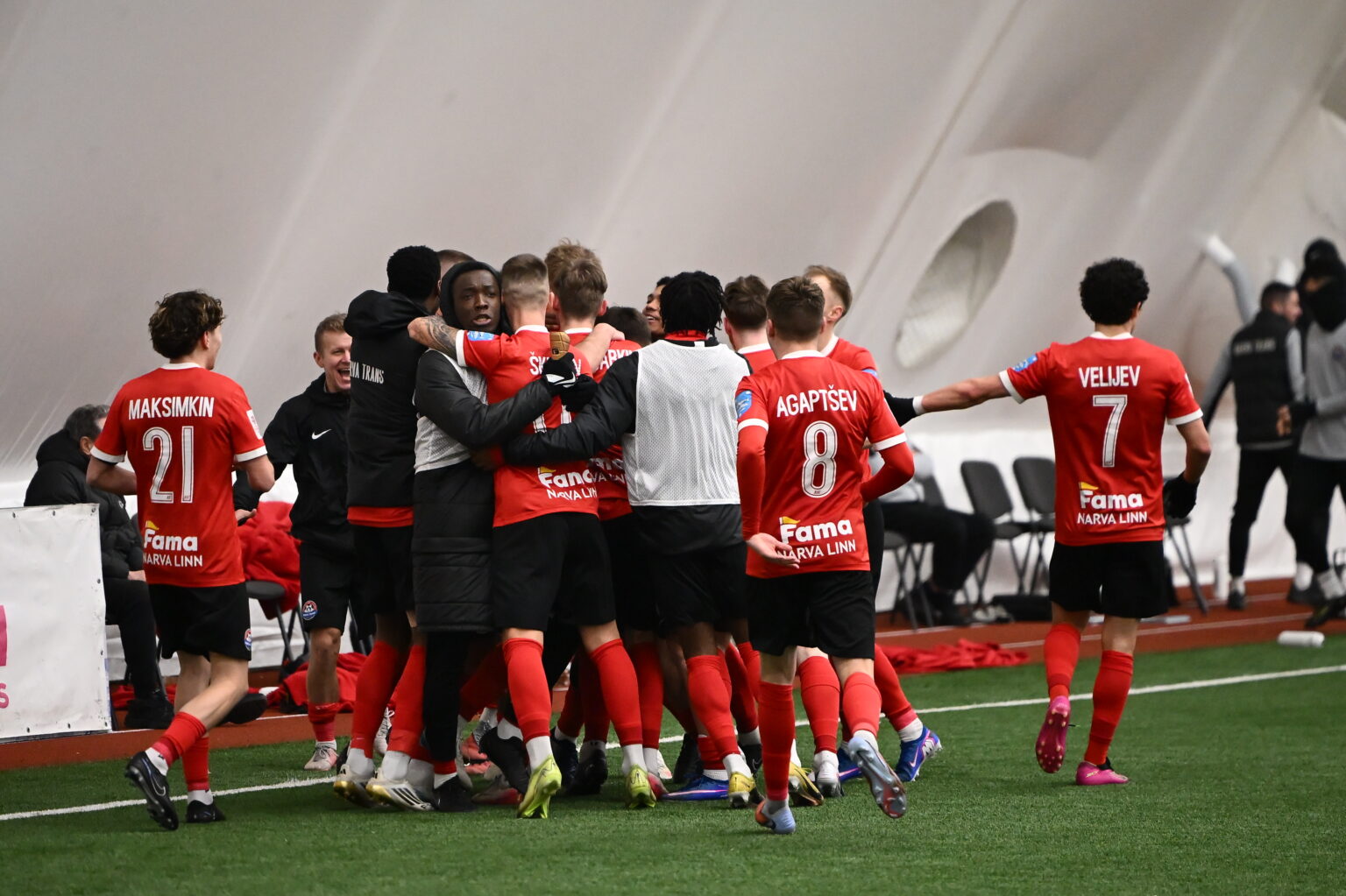
Narva Trans have been relegated from Estonia’s top division for the first time in 36 consecutive seasons. Their drop from the Premium Liiga was confirmed on 23 October after a 5-1 away defeat to Tartu Tammeka. Trans went into the match needing a victory to keep their survival hopes alive, but the loss left them bottom of the table with three league games remaining and too far behind safety to catch up.
The relegation completes a steep decline for a team that finished fifth in 2025. Across 33 league matches this season, Trans have recorded five wins, five draws and 23 defeats. They sit last on 20 points, having scored 26 goals while conceding 75. Those numbers show that the relegation came from season-long problems rather than one bad night in Tartu.
Coaching changes failed to stop the slide
Last year’s fifth-place finish gave Narva a solid platform, but the current campaign went wrong early. The club dismissed Ukrainian coach Roman Kozhukhovskyi, who had led the team in 2025, in early June. First-team player Irie stepped in as interim boss before Spanish coach David Campaña was appointed towards the end of that month.
Campaña’s arrival brought only a brief improvement in results. Trans earned victories over Pärnu Vaprus and Nõmme United under the new coach, yet their win on 31 July proved to be their final league victory of the campaign. From their next 12 league matches, they collected just four points. Narva picked up 10 points from their opening 17 matches and the exact same tally across Campaña’s first 16 games in charge.
Campaña maintained that the team’s play changed during his time in the dugout, noting that he tried to make the side more confident on the ball and more willing to take control of matches. Even so, the results did not improve enough to close the gap to safety. Speaking in a post-season interview with Soccernet.ee after relegation was confirmed, Campaña said he did not yet know whether he would stay at the club.
Also Read: Can Coleraine hold off Linfield in Northern Ireland’s title race?
Deeper problems on and off the pitch
The team’s record shows why survival grew out of reach. Winning five times in 33 appearances left little margin for error, and conceding 75 goals pointed to a serious weakness in defence. While Narva occasionally competed well against stronger opponents, they repeatedly failed to turn performances into points against rival sides near the bottom of the table.
The defeat to Tammeka followed a familiar pattern. Ahmad Gero put Narva ahead in the 20th minute, only for Moussa Sambe to equalise before half-time. Pavel Marin put the hosts in front soon after the break, and Tammeka added three more goals late in the match.
Other setbacks also hurt the squad, including a serious early-season injury to captain and midfielder Mark Maksimkin. Losing the captain was a setback, though the available evidence does not suggest that a single injury explains the wider collapse. Both the results on the pitch and the club’s own review point to a mix of deeper issues.
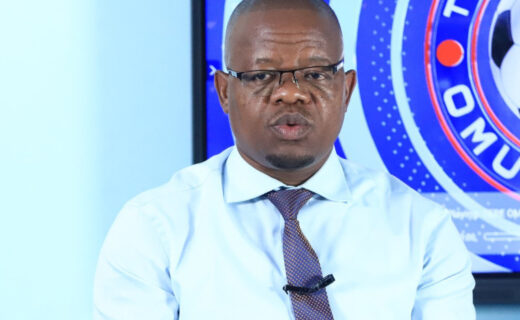
In a post-relegation interview with Soccernet.ee, CEO Konstantin Burdakov admitted that the club made mistakes before the season began. He explained that the leadership had tried a different approach and vision, which did not work as hoped. He also acknowledged that the problems went deeper than the first team and accepted that the reaction to the poor start may have come too late. Those comments leave open questions about player recruitment, pre-season planning and the club’s wider football structure.
Also Read: Ross County’s unbeaten start is just part of a wider rebuild
Unanswered questions ahead of life in the second tier
Narva’s immediate task is to decide how the club will operate in the second division. In his post-relegation remarks, CEO Konstantin Burdakov said he could not confirm whether the senior side would continue as a fully professional team, noting that the final decisions belonged to president Nikolai Burdakov. The club’s reserve team has also won promotion to the second tier, creating another question over how the sides will be organised next season.
There is still no confirmed public plan for setting the 2027 budget, appointing a head coach or keeping the core of the first-team squad. Campaña said he believed Narva would take the steps needed to return to the Premium Liiga as soon as possible, though that remains an ambition rather than a detailed promotion plan. His own future is unresolved, and the club has not announced which players it expects to keep.
Narva had been a constant presence in Estonia’s top flight since the modern league began, avoiding the drop across 36 straight seasons. That history will not guarantee a quick return. For a club that finished fifth just a year ago, whether this relegation becomes a one-season setback or the start of a longer decline will depend on the budget, coaching and squad decisions that the board has yet to make.