

English Football League clubs are holding talks over stricter spending controls in League One, including a possible cap on owner funding and a levy on clubs that spend beyond a set share of their revenue. The discussions come only a few months after third-tier clubs brought in tougher financial rules for the 2026/27 season, and follow official figures showing that average losses in the division have more than tripled since 2021/22.
According to The Guardian’s report on the League One spending discussions, published on 11 November, the EFL confirmed that talks are taking place. However, the league has not submitted any formal proposals to clubs, and the options under discussion have not been approved or given a timetable for a decision.
Two proposed models for capping League One spending
The updated body of The Guardian report outlines two main options under consideration. The first would place a fixed limit on the amount club owners can invest to support player and manager spending, though the report did not identify a proposed figure or explain how that limit would be calculated.
The second option would work as a spending levy. Clubs spending more than 50 per cent of their revenue on relevant costs would reportedly pay £1 for every additional £1 spent, while sporting sanctions could be considered if spending reached 60 per cent. Money collected through the levy could be redistributed among other League One clubs, although the detailed rules for how the scheme would work have not been published.
The introduction to The Guardian article also referred to a luxury tax and limits on club losses over a three-year period. Because the report did not fully explain how those descriptions fit with the two approaches in the updated article body, they should not be treated as a single agreed package.
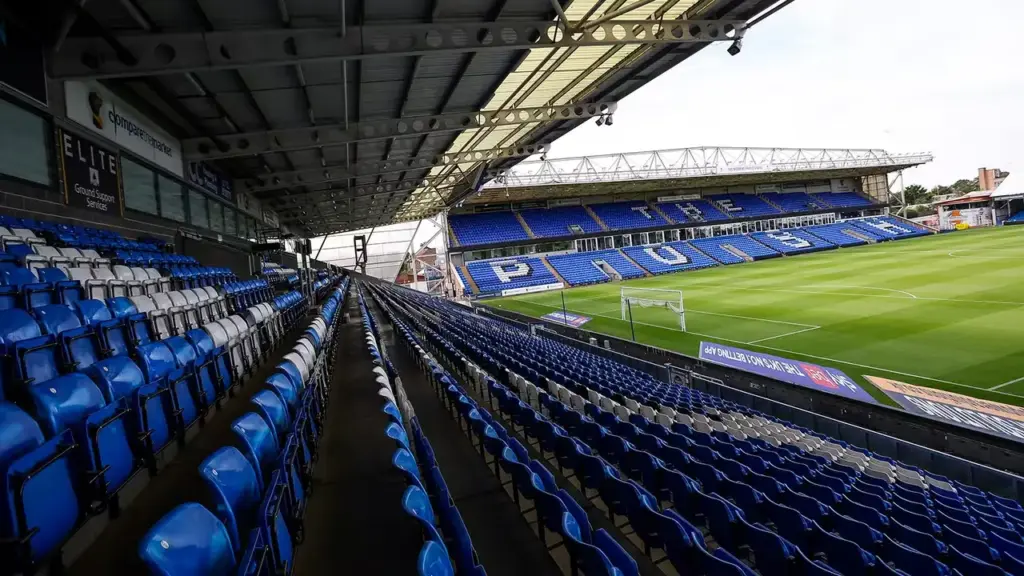
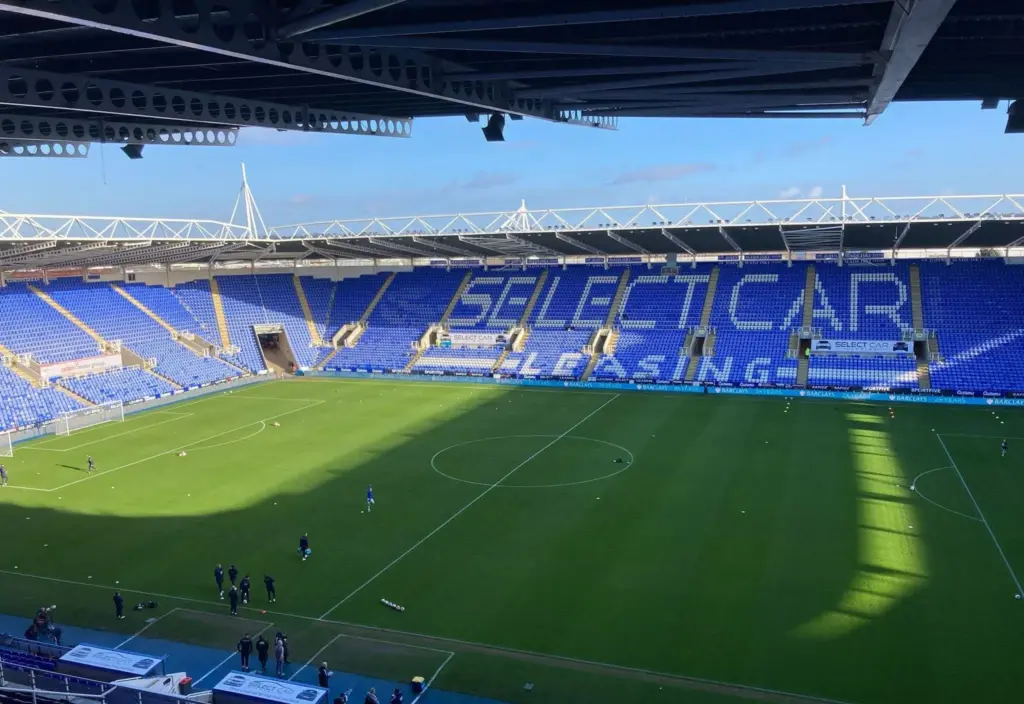
Clubs already appear split over the push for tighter controls. The Guardian identified Reading and Peterborough United among the clubs backing stricter spending rules, while MK Dons and Wycombe Wanderers were reported to oppose them. Because those stances have not been set out in a formal EFL proposal, each club’s precise view on the individual models would still need to be confirmed directly.
Also Read: EFL’s new financial rules face their first test while the PFA legal challenge remains unresolved
How League One tightened its Salary Cost Management Protocol for 2026/27
Any new restrictions would add to financial rules that League One clubs already tightened in May 2026 for the 2026/27 season. Under the revised Salary Cost Management Protocol, known as the SCMP, the division reduced its relevant spending limit from 60 per cent to 50 per cent of club turnover and brought manager-related costs into the calculation.
The May changes also restricted how owner funding counts towards a club’s spending power. Only 50 per cent of qualifying owner equity injections can now be included in a club’s relevant spending allowance, meaning an owner cannot automatically use the full value of an eligible cash injection to increase permitted budgets for players and managers.
The SCMP does not cap every expense recorded by a club. Instead, it covers defined categories of player and manager-related costs, with specific adjustments and exclusions set out in the EFL Regulations for the 2026/27 season. Introducing further rules in League One could also widen the regulatory gap with League Two, which kept a different system for counting qualifying owner investment after the May reforms.
Regulator findings show rising wages and heavy reliance on owners
The financial case for further reform is detailed in the Independent Football Regulator’s State of the Game report, published in October 2026. The regulator found that average losses among League One clubs rose from £2.4 million per club in 2021/22 to £7.5 million in 2025/26. Over that same four-season period, player wage costs across the division increased by 71 per cent.
That four-season wage rise is separate from a claim in the November Guardian report, where an unnamed club owner cited a 15 per cent increase in League One wage bills during the current season. Unlike the regulator’s multi-year findings, that single-season figure has not been independently established as a statistic for the whole division.
Even with wages climbing, the regulator’s analysis indicates that player pay is not the only driver of mounting losses. Non-player operating costs also make up a significant part of the financial strain. Alongside widespread negative operating results across the professional and semi-professional game, the regulator warned that many clubs rely heavily on external funding and could struggle to cope if owner support were suddenly withdrawn.
What tighter spending rules could mean for promotion and financial sustainability
Beyond the effort to reduce financial losses, the discussions touch on a wider debate over how far clubs should be allowed to rely on owner funding to compete for promotion. Supporters of tighter limits can argue that clubs should not commit to spending levels that their regular income cannot sustain, and that a levy could redistribute funds to clubs working with smaller budgets.
Opponents can argue that further restrictions would hold back responsible owner investment and make it harder for ambitious clubs to build competitive squads. That concern is especially relevant for teams aiming to reach the Championship, where the financial rules and potential revenues are different.
League Two’s involvement also needs to be clarified. The Guardian reported that fourth-tier clubs are part of the talks, but it remains unclear whether any new system would cover both divisions or whether separate arrangements would be considered.
Before any rule change can be put to a vote, the EFL will need to explain how owner investment and any levy threshold would be calculated, which costs would count, whether exemptions would apply, and how collected money would be shared. Even then, the regulator’s findings leave league decision-makers with a broader question about financial sustainability.
Because non-player operating expenses drive a major share of club losses, tighter controls on squad spending alone may not be enough to fix League One’s wider financial problems. The next significant step will be whether the EFL turns these early discussions into a detailed proposal that accounts for clubs with very different revenues, ownership structures, and promotion ambitions.