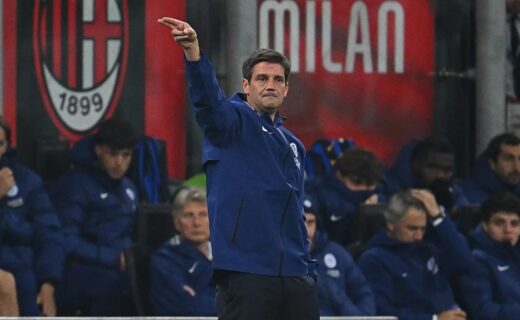

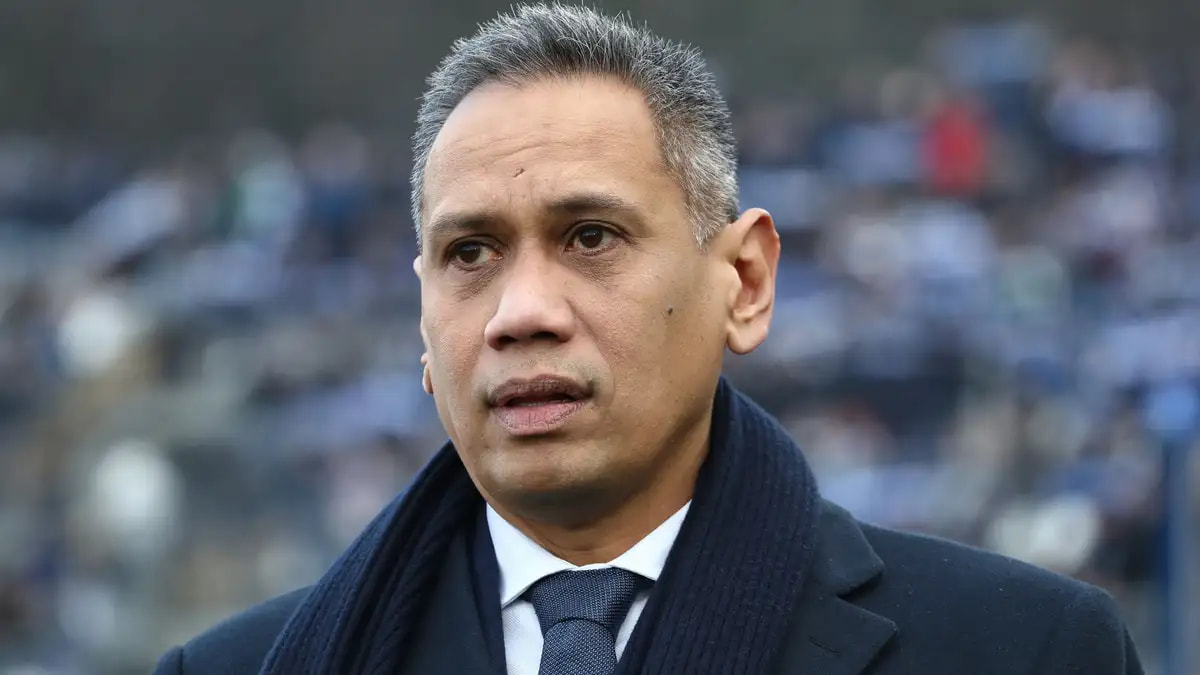
Como president Mirwan Suwarso says the club will eventually need to sell players to become financially sustainable, though he insists this strategy will not lower their ambitions on the pitch.
In an exclusive interview with La Provincia di Como published on November 3, 2026, Suwarso named financial sustainability as his main priority. He hopes the club can reach that target within two years and noted that financial fair play requirements will push Como to move faster.
When asked how Como would achieve that goal, Suwarso explained that the club must sooner or later benefit from the rising value of players developed by its technical staff. He accepted that this means selling some members of the squad rather than relying only on continued investment to strengthen the team.
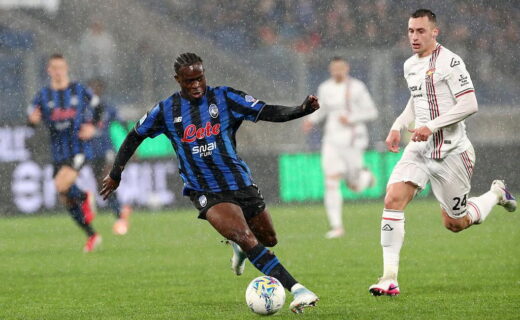
Still, Suwarso’s comments do not mean a major departure is lined up for the next transfer window. He did not set a transfer timetable or identify any player as available for a move. When the interviewer brought up Assane Diao as a possible example, Suwarso jokingly rejected the idea before discussing it as a hypothetical situation. If Como ever sold a player of that profile, he said, they would look for a replacement capable of following a similar development path and growing in value.
Following the Atalanta model
Suwarso pointed to Atalanta’s recent approach as a possible blueprint for Como. The Bergamo club has built a strong reputation for developing players, increasing their market value, and replacing key departures while staying competitive in both Serie A and Europe.

Following a similar path means Como will not scale back their targets on the pitch. Suwarso made clear that the club will keep trying to improve and compete, while accepting that some seasons might be less successful than others when important players leave.
Making that cycle of recruitment, development, and sales work requires more than just collecting large transfer fees. Como will need to read the transfer market early, sign suitable replacements who fit their football plans, and give the technical staff the right conditions to improve them so the squad can still meet its sporting targets.
Also Read: Is Lommel SK finally delivering on City Football Group’s plan?
How UEFA financial rules shape the strategy
While Suwarso said financial fair play requirements would speed up Como’s push toward sustainability, he did not mention any specific UEFA investigation, settlement agreement, sanction, or deadline connected to the club. His two-year estimate is a stated club ambition rather than a formal regulatory deadline, and the interview did not include a detailed financial timetable or specify how much money Como need to raise from transfers.
Under UEFA’s wider financial sustainability framework, clubs must comply with a football earnings rule that compares relevant income and expenses over a monitoring period. These regulations are designed to encourage clubs to control costs and run on a stable financial footing.
The 2026 edition of the UEFA Club Licensing and Financial Sustainability Regulations also includes a squad-cost rule stating that a club’s squad-cost ratio must not exceed 70 per cent. The squad-cost ratio calculation measures relevant player and coach employment costs, transfer amortisation, and agent or intermediary costs against defined club revenue and transfer-related income.

Player trading can help a club stay within those limits, though a transfer fee is not automatically recorded as pure accounting profit. The actual financial impact depends on the player’s remaining registration value and the applicable accounting treatment.
Revised stadium plans ready for submission
The transfer market is only one part of Como’s broader financial plan. Suwarso also said the club has completed the work required to present a revised stadium project to local authorities.
Como are ready to submit the updated plans, though Suwarso noted that the exact timing will depend on the relevant administrative procedures. He also confirmed that the club still intends to include low-cost food areas in the proposed development.
Upgrading matchday facilities can create new ways to grow club revenue beyond standard ticket sales. Suwarso did not provide financial figures or a projected completion date for the stadium in the interview, leaving the upcoming transfer windows and local council procedures to show how quickly Como can turn their long-term plans into reality.